
As autumn approaches and the mornings and evenings start to feel noticeably colder, many homeowners begin switching their heating back on after a quieter summer. This is also when problems with radiators can become much more obvious.
A radiator that seemed fine when the heating wasn’t being used may struggle to warm a room once you need it every day. You may notice cold spots, slow heating, unusual noises or even leaks.
If you’ve been considering radiator installation or replacement, it is worth looking into it before the colder weather arrives. Getting the work done early means your heating system is ready when you need it most, rather than waiting for a radiator to fail on a cold evening.
At HS Heating & Plumbing, we install and replace radiators as part of our heating and plumbing services, helping homeowners keep their heating systems working reliably throughout the year.
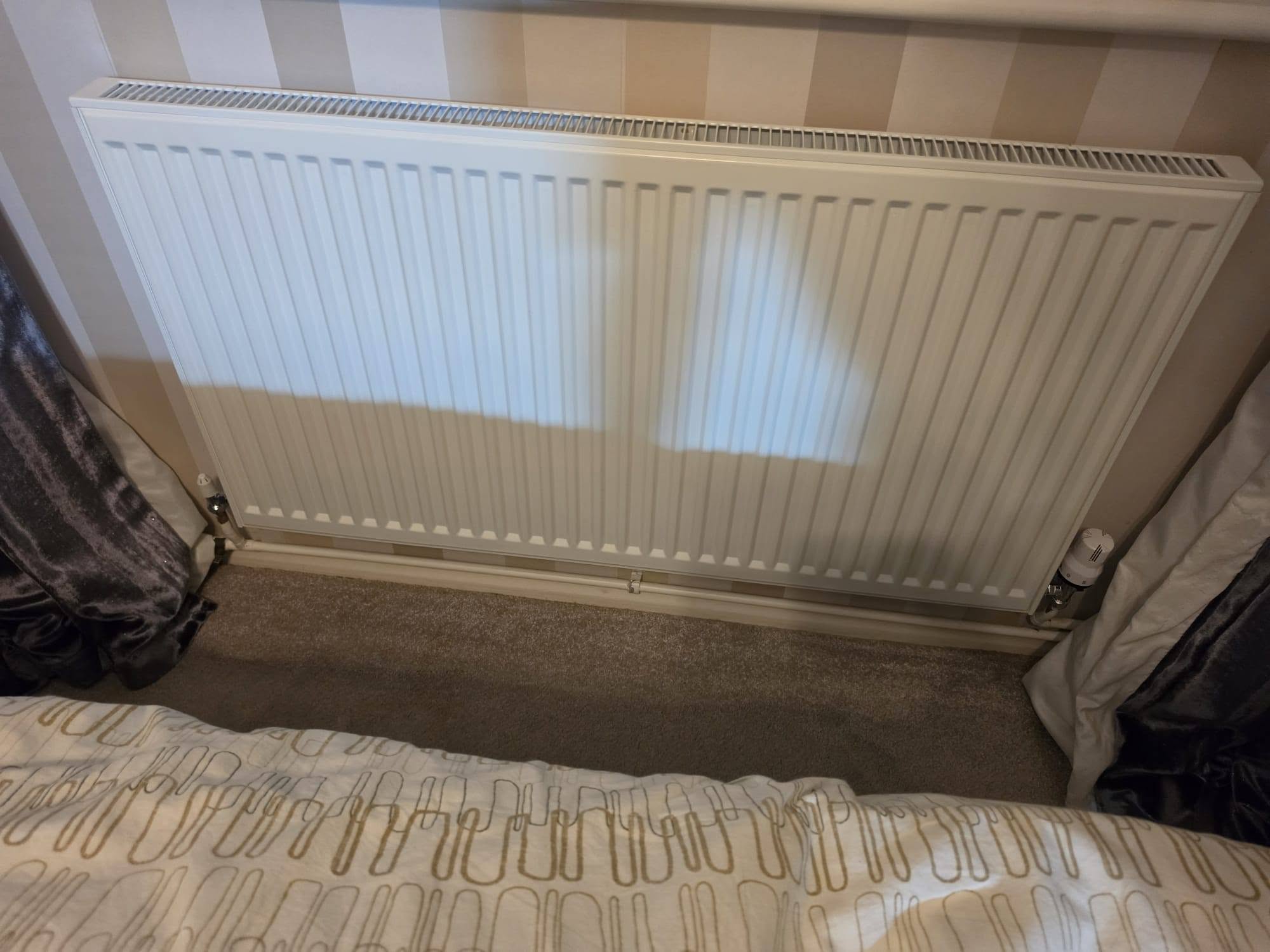
Radiator Installation: Is It Time to Replace Your Radiators?
Meta Description: Need a new radiator? Find out when radiator replacement could improve your heating and why autumn is a good time to check your radiators.
Why Autumn Is a Good Time to Check Your Radiators
As autumn approaches and the mornings and evenings start to feel noticeably colder, many homeowners begin switching their heating back on after a quieter summer. This is also when problems with radiators can become much more obvious.
A radiator that seemed fine when the heating wasn’t being used may struggle to warm a room once you need it every day. You may notice cold spots, slow heating, unusual noises or even leaks.
If you’ve been considering radiator installation or replacement, it is worth looking into it before the colder weather arrives. Getting the work done early means your heating system is ready when you need it most, rather than waiting for a radiator to fail on a cold evening.
What Are the Signs You Need a New Radiator?
Not every radiator problem means you need a replacement. Sometimes cleaning, bleeding, balancing or addressing an issue elsewhere in the heating system can resolve the problem.
However, there are situations where installing a new radiator may be the more appropriate solution.
Your Radiator Has Cold Spots
If your radiator is not heating evenly, it could indicate a problem with water circulation or a build-up of sludge or debris inside the system.
Your Radiator Is Leaking
A leaking radiator should be dealt with promptly. Even a relatively small leak can cause damage to flooring, walls and other parts of your home.
Visible Rust or Corrosion
Some surface rust doesn’t necessarily mean a radiator needs immediate replacement. However, extensive corrosion can weaken the radiator and increase the risk of leaks.
The Room Isn’t Getting Warm Enough
If your boiler is operating correctly but a particular room remains cold, the radiator may not be providing enough heat for the space.
What Are the Benefits of Installing a New Radiator?
More Reliable Heating
A new radiator in good condition can provide reliable heat without the concerns associated with an old, corroded or leaking unit.
Better Heat Distribution
Choosing an appropriately sized radiator can help provide the right amount of heat for the room.
A Fresh, Modern Appearance
Radiators are no longer limited to the traditional white panel design. There are now many different sizes and styles available, including options designed specifically for bathrooms, bedrooms, hallways and modern living spaces.
An Opportunity to Review Your Heating System
Installing a new radiator can also be an opportunity to check the condition of the wider central heating system.
What Happens During a Radiator Installation?
The exact process depends on the existing heating system and the type of radiator being installed.
For a typical replacement, an engineer may need to isolate the heating system, remove the existing radiator, prepare the connections and install the new radiator and valves.
The system can then be refilled and checked, with the radiator tested to make sure it is heating correctly and there are no leaks.
Don’t Forget About Your Boiler
Radiators are only one part of a central heating system. If you’re preparing your home for autumn and winter, it’s also worth checking that your boiler is in good working order.
Annual boiler servicing can help identify potential problems and ensure the appliance is operating safely.
Should You Replace Your Radiators Before Winter?
If your radiators are working well, there may be no reason to replace them simply because winter is approaching.
However, if you already know that a radiator is leaking, has significant corrosion, doesn’t heat properly or struggles to warm the room, autumn is a good time to deal with the problem.
Waiting until the middle of winter can mean dealing with a heating problem when temperatures are at their lowest. Getting your radiator checked or replaced ahead of time gives you greater peace of mind that your heating system is ready when you need it.
Professional Radiator Installation from HS Heating & Plumbing
At HS Heating & Plumbing, we provide professional radiator installation and heating services for homeowners.
Whether you need to replace one damaged radiator, upgrade an older model or improve the heating in a particular room, we can assess the existing system and help determine the appropriate solution.
We also provide boiler servicing, heating repairs, gas work and general plumbing services, allowing us to look at the wider system where necessary.
Get Your Heating Ready for Autumn
The mornings and evenings don’t need to be freezing before you discover that your radiator isn’t working as it should.
As we move into autumn, now is a good time to turn your heating on, check your radiators and look out for any problems. If a radiator is leaking, corroded, staying cold or simply isn’t heating your room effectively, arrange an inspection before the colder weather arrives.
For professional radiator installation and heating services, contact HS Heating & Plumbing.
📞 07861 469733
🌐 hsheatingplumbing.co.uk
📧 hsheatingplumbing@gmail.com
Frequently Asked Questions
When is the best time to replace a radiator?
Autumn can be a convenient time to replace a radiator because you can identify problems when you start using your heating again, while there is still time to complete the work before the coldest part of winter.
How do I know if my radiator needs replacing?
Signs can include leaks, significant corrosion, persistent cold spots or poor heating performance. However, these symptoms can also have other causes, so it is best to have the heating system assessed before deciding on a replacement.
Can I replace just one radiator?
Yes. You don’t necessarily need to replace every radiator if only one is damaged or underperforming. An engineer can assess whether an individual replacement is appropriate.
Can a new radiator improve heating?
A correctly sized and installed radiator can improve heating performance in a room, particularly if the existing radiator is damaged, unsuitable for the space or no longer working effectively.
Should I have my boiler checked before winter?
It is sensible to make sure your boiler is properly maintained before you rely on it heavily during colder weather. Regular servicing and appropriate maintenance can help identify potential problems and support safe operation.